

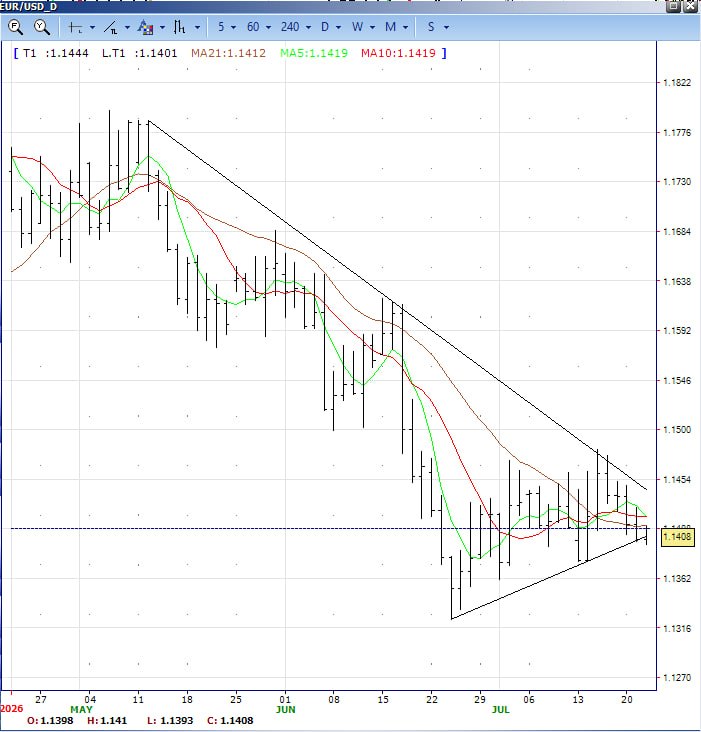
🔹 EUR/USD is holding above 1.1400, supported by expectations of a hawkish ECB, with markets fully pricing a September rate hike ahead of Thursday’s policy meeting.
📉 Technically, the pair remains below its 200-period SMA, while the RSI near 41 and negative MACD indicate bearish momentum. 1.1400 is the key support, while 1.1480 remains the first major resistance.
🌍 Rising Middle East tensions continue to boost safe-haven demand for the US Dollar, limiting EUR/USD upside despite the ECB’s supportive outlook. Markets are now focused on Thursday’s ECB decision for the next directional move
Open A Live Account
CDO has wide range of tools, professional and friendly support for clients to achieve their financial markets trading goals. Open a live account now to enjoy this experience with virtual deposit.


CDO TRADER
CDO TRADER, our cutting-edge trading platform, follows the technology from the forefront with new features added continuously. Moreover, CDO TRADER is now available for Android and iOS! So it allows you to trade on the go!


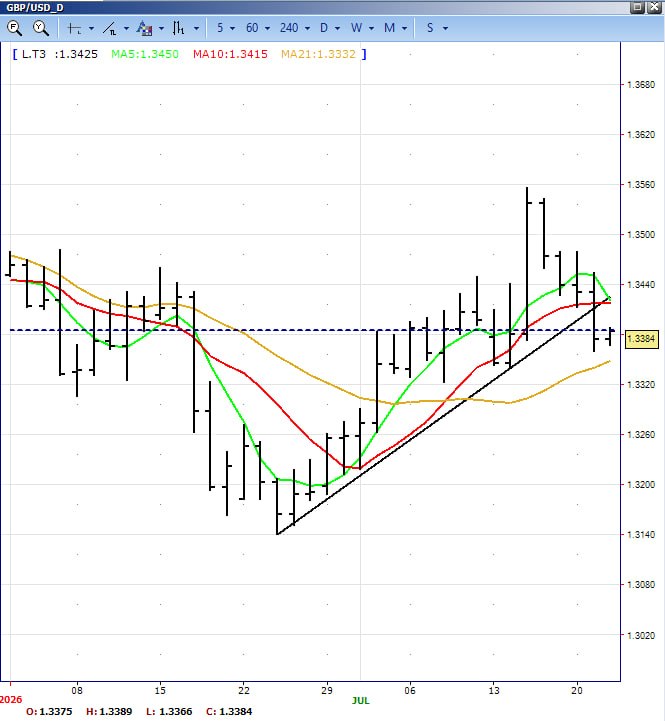
🔹 GBP/USD slipped toward 1.3380 as renewed safe-haven demand supported the US Dollar, while weak UK labor market data added pressure on Sterling ahead of today’s UK CPI release.
📉 Technically, the pair remains below the 200-day SMA (1.3397), with the RSI slightly above 50 and a positive MACD suggesting momentum is neutral-to-bullish. 1.3330 is the first key support, while 1.3400–1.3455 marks the main resistance zone.
🌍 Markets are focused on UK inflation data, which could shape expectations for the BoE’s next policy move. Meanwhile, geopolitical tensions and safe-haven demand continue to underpin the US Dollar, limiting upside potential for GBP/USD.
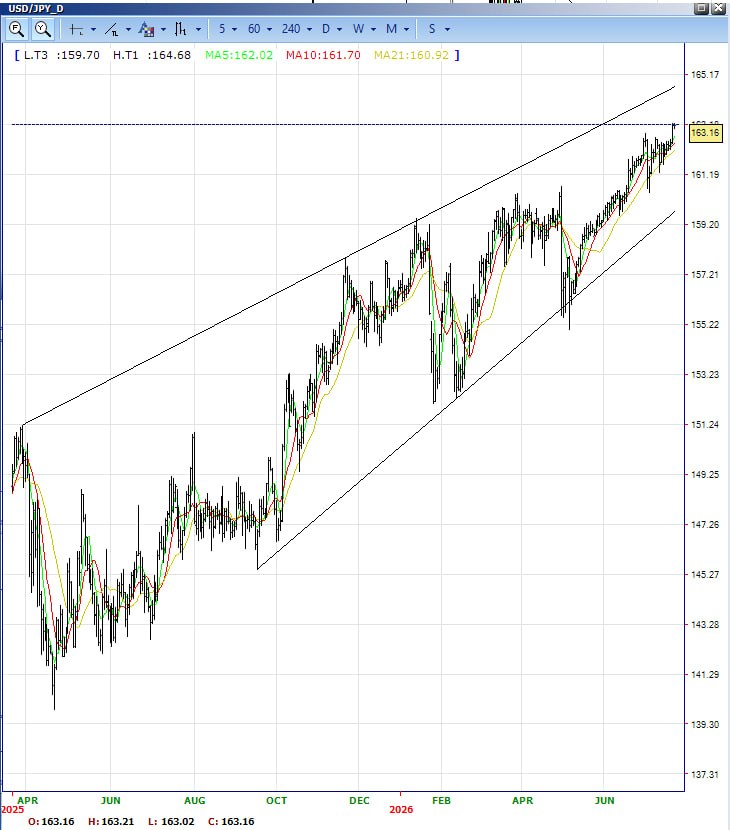
🔹 USD/JPY remains above 163.00, trading near multi-decade highs as the wide US-Japan interest rate gap continues to support the pair. However, intervention concerns from Japanese authorities are limiting further upside.
📈 Technically, the pair maintains a bullish bias, with the RSI near 54 indicating steady buying momentum. 162.85 is the key breakout level, while 162.25 serves as the first support. A sustained move above resistance could open the door toward 164.00.
🌍 Markets are watching potential Japanese FX intervention and this week’s Japan CPI data, while higher oil prices and expectations for tighter global monetary policy continue to weigh on the yen.