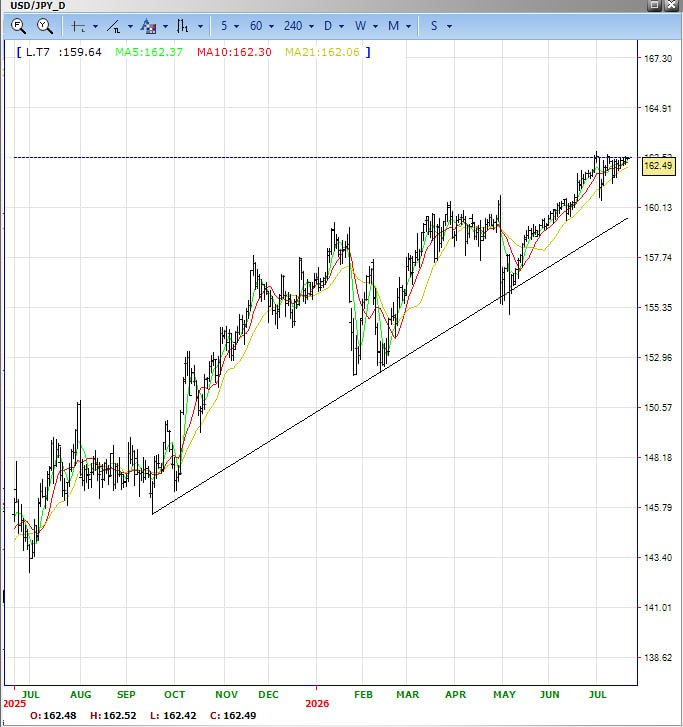
USD/JPY traded around 162.40, remaining close to its multi-decade high as the wide US-Japan interest rate gap and stronger US Dollar continue to support the pair.
Technically, the pair remains above its key moving averages, while the RSI near 61 signals bullish momentum without entering overbought territory. 162.85 is the key breakout level, with 163.50–164.00 as the next upside targets.
Markets remain focused on the Fed’s hawkish outlook, rising oil prices, and geopolitical tensions, all of which continue to pressure the yen. Investors are also monitoring potential intervention comments from Japanese officials.
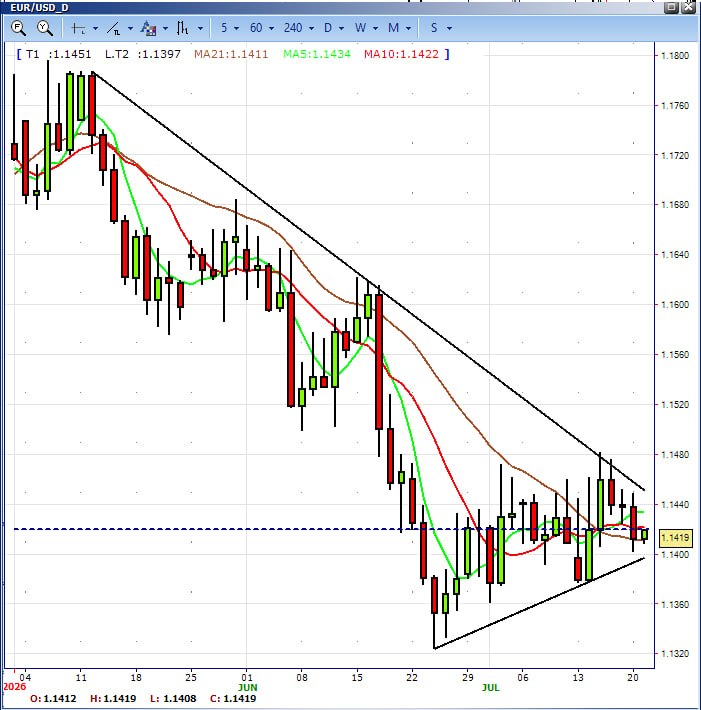
EUR/USD erased earlier gains and hovered around 1.1415 as rising Middle East tensions boosted safe-haven demand for the US Dollar.
Technically, the pair remains below key short-term moving averages, while the RSI near 44 suggests bearish momentum is still intact. 1.1400 is the first support, with 1.1430–1.1440 acting as the initial resistance zone.
Markets are now focused on Thursday’s ECB meeting. While the ECB is expected to keep rates unchanged, expectations for a September rate hike continue to support the euro. However, geopolitical risks and the Fed’s hawkish stance are keeping the US Dollar well supported.

CDO TRADER
CDO TRADER, our cutting-edge trading platform, follows the technology from the forefront with new features added continuously. Moreover, CDO TRADER is now available for Android and iOS! So it allows you to trade on the go!
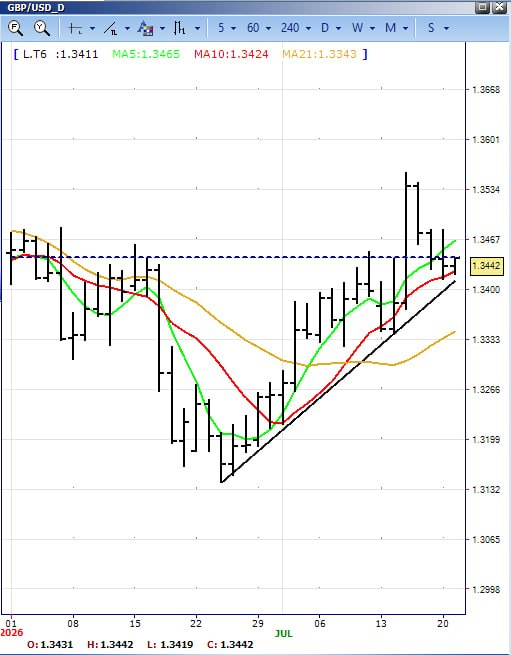
GBP/USD stabilized around 1.3450 after last week’s pullback, with the pair remaining in a consolidation phase as safe-haven demand continues to support the US Dollar.
Technically, GBP/USD is trading below its key short-term moving averages, while the RSI near 54 suggests bullish momentum is fading. 1.3400-1.3410 is the key support area, with 1.3460–1.3470 acting as the first resistance zone.
Markets are closely watching this week’s UK employment, CPI, and retail sales data, which could shape BoE rate expectations. Meanwhile, geopolitical tensions in the Middle East and the Fed’s hawkish outlook continue to provide support for the US Dollar.

- Nasdaq. US stocks dipped on Monday, with the tech-heavy Nasdaq Composite edging just below the flat line following a volatile week that saw semiconductor stocks post losses. Last week, the Nasdaq declined 2.9%, weighed down by a sell-off in chip stocks that pushed the PHLX Semiconductor Index into a bear market, alongside a disappointing Netflix report and the release of a powerful open-source AI model. This week’s focus turns to Big Tech earnings, with quarterly results due from Alphabet, Intel, IBM, and Tesla, as investors look for signs that companies are monetizing AI to accompany their heavy investments in the AI build-out.
- DAX. The blue-chip DAX closed flat on Monday as German producer prices eased, ending the session at 24,846.70 points. Last Friday, European shares slid as intensifying military exchanges in the Middle East drove up oil prices, though robust earnings limited the weekly loss. Separately, UBS upgraded European equities to Attractive from Neutral, raising its EuroStoxx target on an improving outlook. The German index remains below its 52-week high of 25,900 reached earlier this year.
- Nikkei. Tokyo stocks soared on Tuesday, 21 July, with the Nikkei 225 surging 1,056 points (1.65%) to 65,197 by late morning, reclaiming the 65,000 level. The rally was broad-based, with over 80% of stocks advancing and 31 of 33 TSE sectors higher; Advantest, SoftBank Group, and Fast Retailing were the largest contributors, driven by heavy buying in semiconductor-related names. The move recovers part of the index’s 6.4% plunge last week; Japanese markets were closed on Monday for a holiday.
- Brent crude. Brent futures gained about 1.3% on Monday to close at $89.22 per barrel after President Trump said Iran “will pay” for the deaths of US service members. Yemen’s Houthis declared a maritime embargo against Saudi Arabia, adding to supply disruption risks, while the US has bombed Iran for nine consecutive nights in retaliation for attacks on tankers transiting the Strait of Hormuz. Brent briefly topped $91 intraday before paring gains as Iran’s Foreign Ministry said it had received proposals from international mediators aimed at reducing tensions; prices are up roughly 30% from their July lows. Kuwait Petroleum reported an Iranian strike hit one of its oil facilities over the weekend.
- Gold. Gold steadied above $4,000 per ounce on Tuesday but remained close to its lowest level in nine months, as the ongoing US-Iran conflict kept investors focused on the risks of energy-driven inflation and the prospect of higher interest rates. On Monday, August futures opened at $4,005.60, down 0.3% from Friday’s close, before recovering to around $4,016 in early trading, and gold prices ended slightly lower as the dollar strengthened with Middle East tensions showing no signs of easing. US strikes on Iran have entered a tenth consecutive day, and Iran-backed Houthi militants announced a maritime embargo against Saudi Arabia, raising energy supply concerns. The closure of the Strait of Hormuz has been a key driver of higher fuel prices globally, and the resulting inflation risk — which could push the Fed toward rate hikes — has weighed on the non-yielding metal. Gold remains well below its record high of $5,602 set on 28 January 2026.